History and achievements

HISTORY AND SUCCESS

OLYMPIC GAMES

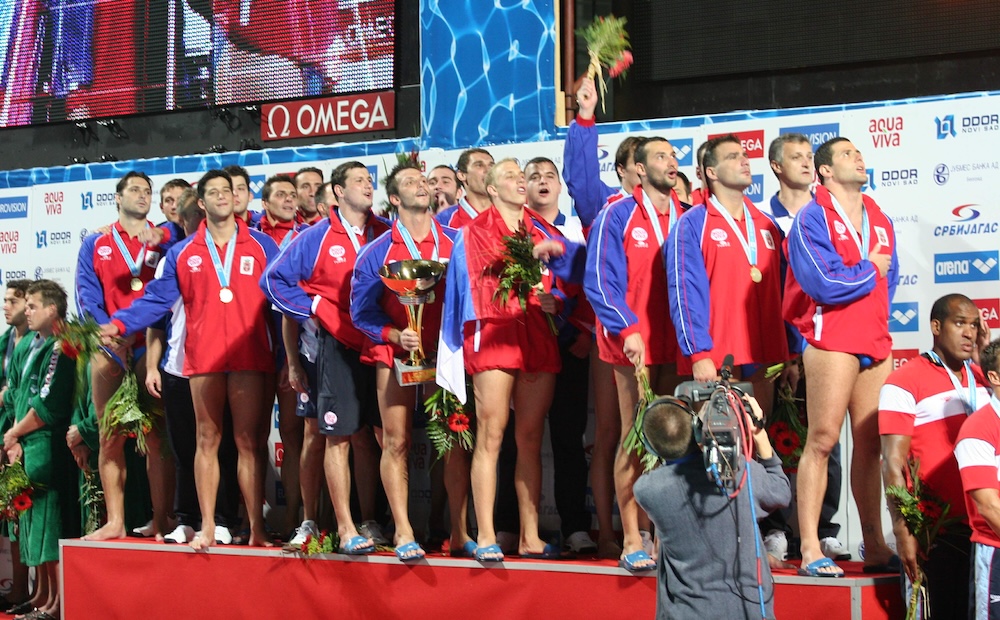
Serbia made its first independent appearance at the 2008 Olympics in Beijing. At the previous two competitions, together with Montenegrin players, it won a bronze medal in Sydney 2000 and a silver medal in Athens 2004.

In Beijing, the national team was the main favorite for gold along with Hungary. That summer, Danilo Ikodinović ended his career due to serious injuries in a car accident. Before the Games, the World League was won in Genoa, and in Malaga at the European Championship, Serbia was second.

Not everything went well at the Olympics. In the semi-finals, they suffered an unexpected defeat to the USA 10:5, only to defeat Montenegro 6:4 in the fight for third place, without Šefik and Šapić.

The players were: Denis Šefik, Andrija Prlainović, Nikola Radjen, Vanja Udovićić, Dejan Savić, Duško Pijetlović, Filip Filipović, Aleksandar Ćirić, Aleksandar Šapić, Vladimir Vujasinović, Branko Peković, Živko Gočić and Slobodan Soro. The coach was Dejan Udovićić.

In London 2012, Serbia once again had the highest ambitions. After excellent games in the group, weaker games followed. In the semi-final, Italy was better. Montenegro led in the bronze medal match 11:8 with six minutes left, but our team pulled off a feat and won 12:11.

The players were: Slobodan Soro, Dušan Mandić, Živko Gočić, Vanja Udovićić, Aleksa Šaponjić, Duško Pijetlović, Slobodan Nikić, Milan Aleksić, Nikola Radjen, Filip Filipović, Andrija Prlainović, Stefan Stefan and Gojko Pijetlović. The coach was Dejan Udovićić.
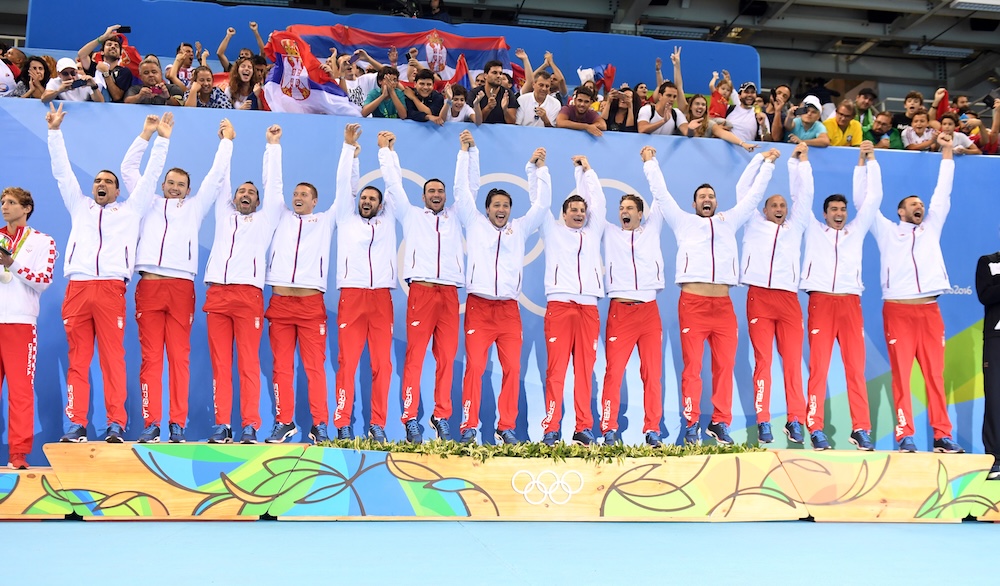
In Rio de Janeiro 2016, the gold medal was finally won. There were big problems, draws with Hungary and Greece and a sensational defeat by Brazil. Victories against Australia and Japan led Serbia to continue the fight for the medal.

Serbia played exceptionally well and with superior play defeated Spain in the quarterfinals 10:7, Italy in the semifinals 10:8, and Croatia in the gold medal match 11:7. It was also a great farewell for Gocić and Nikić.

The players were: Gojko Pijetlović, Dušan Mandić, Živko Gočić, Sava Randđelović, Miloš Ćuk, Duško Pijetlović, Slobodan Nikić, Milan Aleksić, Nikola Jakšić, Filip Filipović, Andrija Prlainović, Stefan Mitrović and Branislav Mitrović. The coach was Dejan Savić.
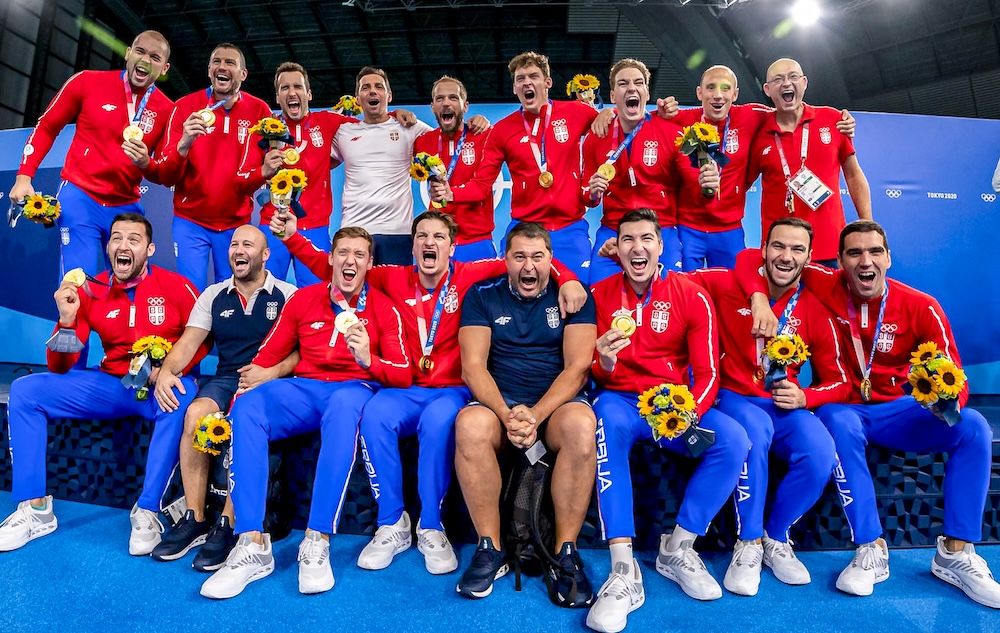
In Tokyo five years later, Serbia was not the main favorite for gold. It was as if the model was the same. From the quarterfinals on, everything was as it should be. First, Italy was defeated 10:6 in the quarterfinals. The epic match was with Spain in the semifinals. Serbia was losing 8:6 four minutes before the end, only to make a turnaround and win with a goal by Filipović 10:9. In the final, Greece was defeated 13:11. It was the last match for Filipović, Prlainović, the Pijetlović brothers, Stefan Mitrović and Aleksić.

The players were: Gojko Pijetlović, Dušan Mandić, Nikola Dedović, Sava Randđelović, Strahinja Rašović, Duško Pijetlović, Đorđe Lazić, Milan Aleksić, Nikola Jakšić, Filip Filipović, Andrija Prlainović, Stefan Mitrović and Branislav Mitrović. The coach was Dejan Savić.
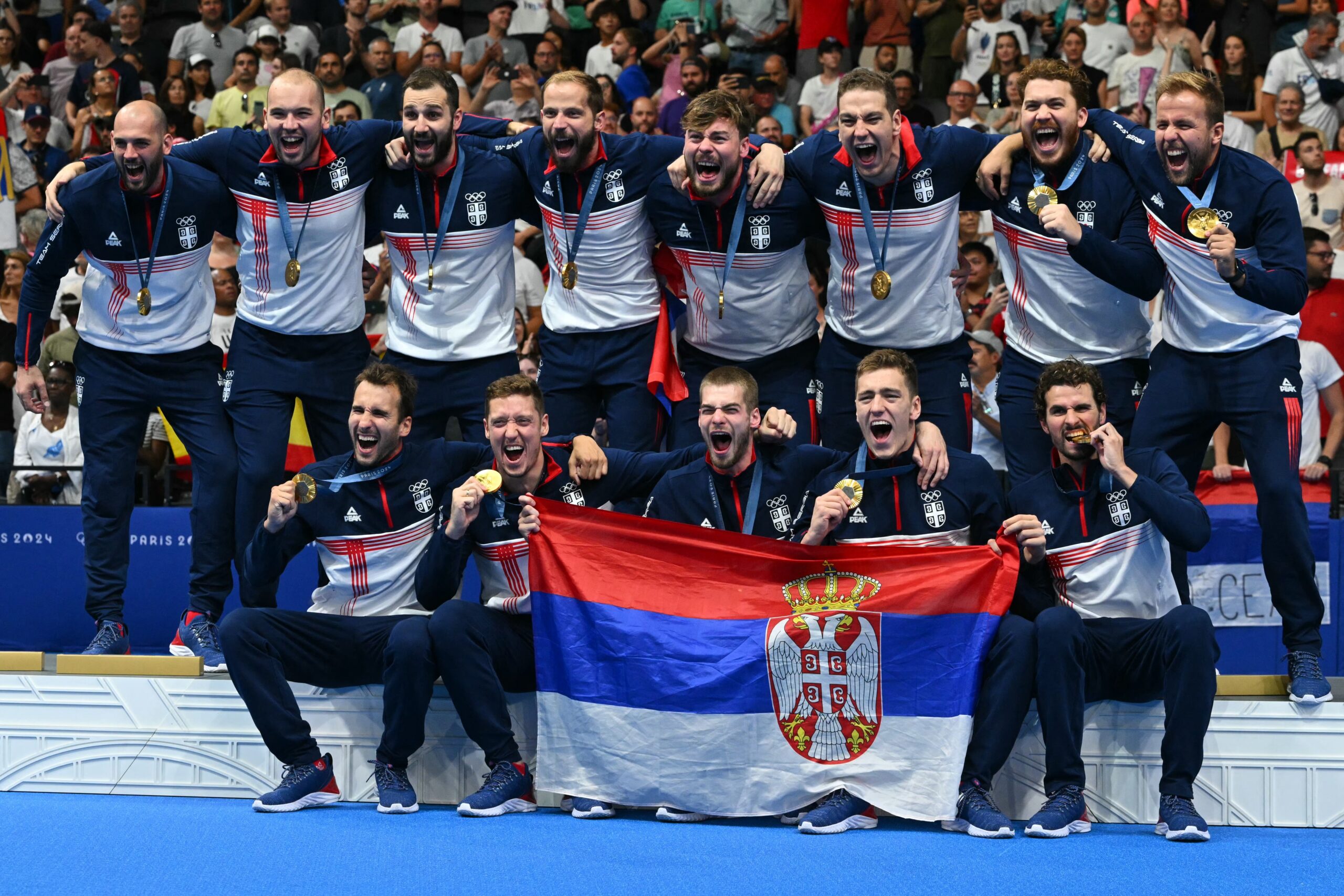
In Paris 2024, few gave Serbia a chance for a medal. The change of generations had its effect. The players and the coaching staff, led by coach Stevanović, believed in success. After weaker games in the group, in the quarterfinals, the favored Greece was defeated 12:11 with a goal by Jakšić in the last seconds from a long distance. In the semifinals, they outplayed America 10:6 and in the grand final, Croatia 13:11.

The players were: Radoslav Filipović, Dušan Mandić, Nikola Dedović, Sava Randđelović, Miloš Ćuk, Nemanja Vico, Nemanja Ubović, Radomir Drašović, Nikola Jakšić, Strahinja Rašović, Petar Jakšić, Viktor Rašović, Vladimir Misović. The coach was Uroš Stevanović

3🥇

0🥈

2🥉

World championships

Serbian water polo players achieved their greatest successes at the World Championships in 2009 in Rome and 2015 in Kazan, when they won the gold medal.

The first appearance at the planetary championship took place in Melbourne in 2007. They won fourth place. In the semi-finals, Croatia defeated our national team, but in the bronze medal match, Spain was better after performing five-pointers.

Serbian water polo players achieved their greatest successes at the World Championships in 2009 in Rome and 2015 in Kazan, when they won the gold medal.

The first appearance at the planetary championship took place in Melbourne in 2007. They won fourth place. In the semi-finals, Croatia defeated our national team, but in the bronze medal match, Spain was better after performing five-pointers.

In Shanghai 2011, Serbia won silver. In the semifinals, they defeated Hungary 14:13 after a major upset, but were defeated by Italy in the gold medal match after overtime 8:7.
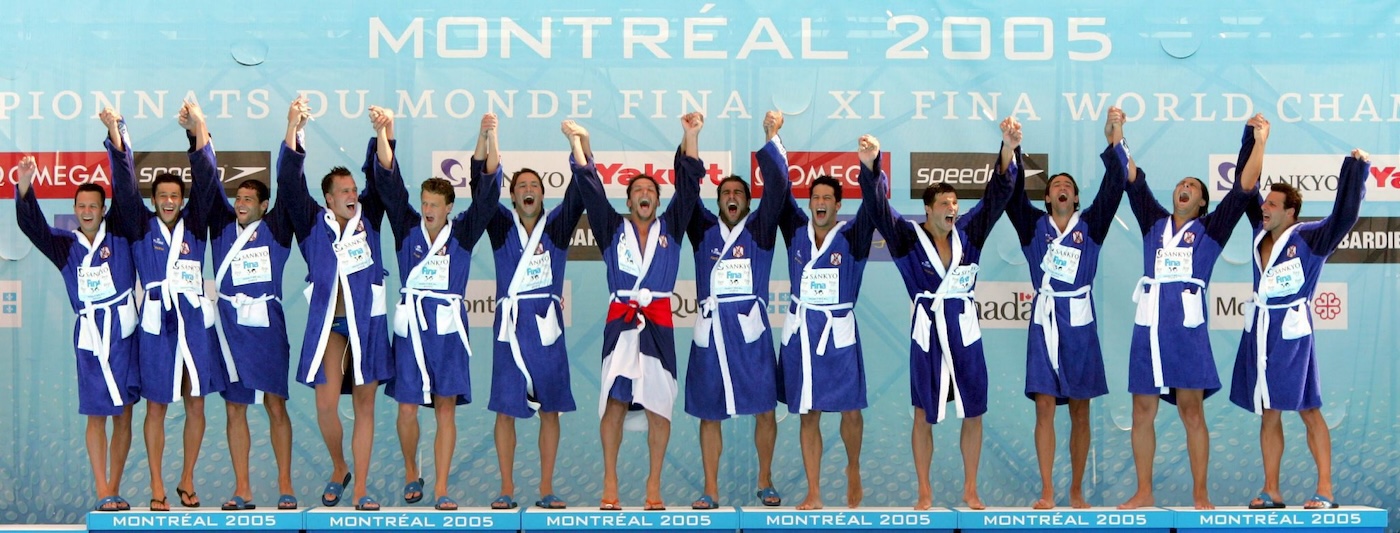
Montreal World Championships 2005

The players were: Slobodan Soro, Marko Avramović, Živko Gočić, Vanja Udovićić, Miloš Ćuk, Duško Pijetlović, Slobodan Nikić, Milan Aleksić, Nikola Radjen, Filip Filipović, Andrija Prlainović, Stefan Mitrović and Gojko Pijetlović. The coach was Dejan Udovićić.

In Barcelona 2013, Serbia finished in seventh place. In the quarterfinals, Montenegro was better 9:8, and after a defeat against Spain, Australia was defeated 13:7. Dejan Savić made his debut as a coach.

In Kazan 2015, Serbia won first place with a dominant performance. In the quarterfinals, they defeated the USA 12:7, in the semifinals, Italy 10:6, and in the final, they were defeated by the excellent Croatian team 11:7.
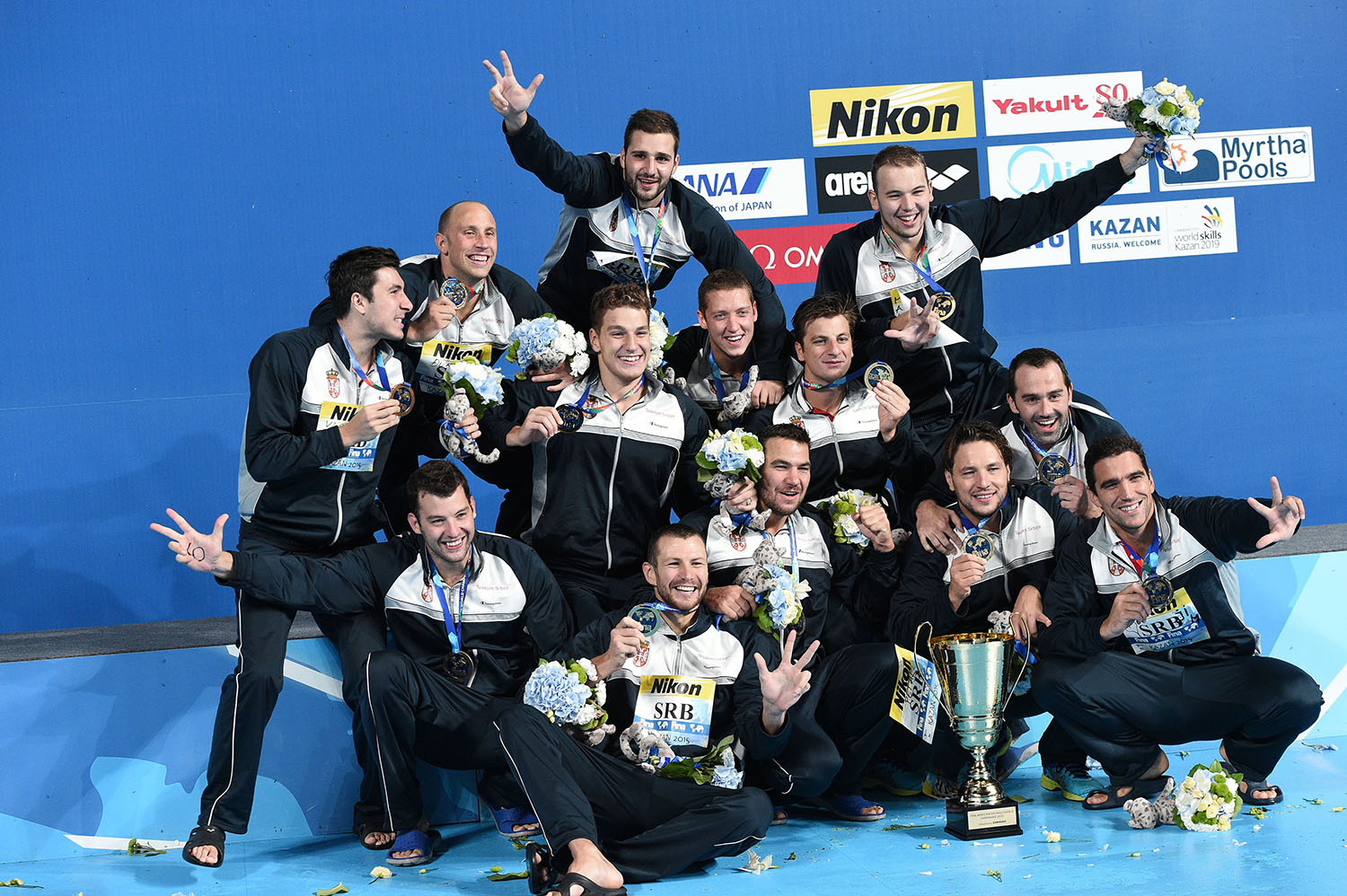
The players were: Gojko Pijetlović, Dušan Mandić, Živko Gočić, Sava Randđelović, Miloš Ćuk, Duško Pijetlović, Slobodan Nikić, Milan Aleksić, Nikola Jakšić, Filip Filipović, Andrija Prlainović, Stefan Mitrović and Branislav Mitrović. The coach was Dejan Savić.

In Budapest 2017, the bronze medal was won. In a great semi-final, Serbia was defeated by Croatia 12:11. In the duel that decided the bronze medal, Serbia was convincing against Greece 11:8.

The players were: Gojko Pijetlović, Dušan Mandić, Viktor Rašović, Sava Randđelović, Miloš Ćuk, Duško Pijetlović, Nemanja Ubović, Milan Aleksić, Nikola Jakšić, Filip Filipović, Andrija Prlainović, Stefan Mitrović and Branislav Mitrović. The coach was Dejan Savić.

Serbia won medals at subsequent world championships. In Guangzhou 2019, a rejuvenated team won fifth place. The same result was achieved in Budapest 2022. At the next championship in Fukuoka 2023, Serbia was defeated by Spain in the bronze medal match 9:6. In Doha 2024, Serbia finished sixth. In Singapore 2025, Serbia finished fourth after losing to Greece in the bronze medal match.

🥇 Titles: 2005 Montreal (SCG), 2009 Rome, 2015 Kazan

🥈 Silver: 2011 Shanghai

🥉 Bronze: 2017 Budapest

3🥇

1🥈

1🥉

European Championships

The country’s independence was welcomed by water polo players with two consecutive gold medals at the European Championships, won with Montenegrin players in 2001 in Budapest and two years later in Kranj.

In Belgrade in 2006, Serbia played under that name for the first time. In the grand final at Tašmajdan, they defeated Hungary 9:8. The deciding goal was scored by captain Vladimir Vujasinović.

The players were: Denis Šefik, Slobodan Soro, Filip Filipović, Petar Trbojević, Aleksandar Ćirić, Vladimir Vujasinović, Dejan Savić, Vanja Udovićić, Branko Peković, Slobodan Nikić, Duško Pijetlović, Aleksandar Šapić, Danilo Ikodinović, Andrija Prlainović and Živko Gočić. Dejan Udovićić made his debut as a coach.

The 2008 European Championship in Malaga was a preparation for the Olympic Games in Beijing. In the semi-final, a goal by Šapić in overtime helped Serbia defeat Hungary 8:7, but in the match for the gold medal, Serbia was defeated by Montenegro 6:5, also in overtime.

The players were: Denis Šefik, Slobodan Soro, Aleksandar Ćirić, Filip Filipović, Vladimir Vujasinović, Dejan Savić, Vanja Udovićić, Nikola Radjen, Aleksandar Šapić, Slobodan Nikić, Duško Pijetlović, Branko Peković, Andrija Prlainović, Marko Avramović and Živko Gočić. The coach was Dejan Udovićić.

Zagreb hosted the European Championship in 2010. Before that competition, Serbia won the World League in Niš and the World Cup in Oradea. In the Croatian capital, Serbia lost to the championship hosts 10:9 in an exciting match. In the fight for third place, Hungary was defeated 10:8.

The players were: Slobodan Soro, Marko Avramović, Živko Gočić, Vanja Udovićić, Boris Vapenski, Duško Pijetlović, Slobodan Nikić, Milan Aleksić, Nikola Radjen, Filip Filipović, Andrija Prlainović, Stefan Mitrović and Gojko Pijetlović. The coach was Dejan Udovićić.

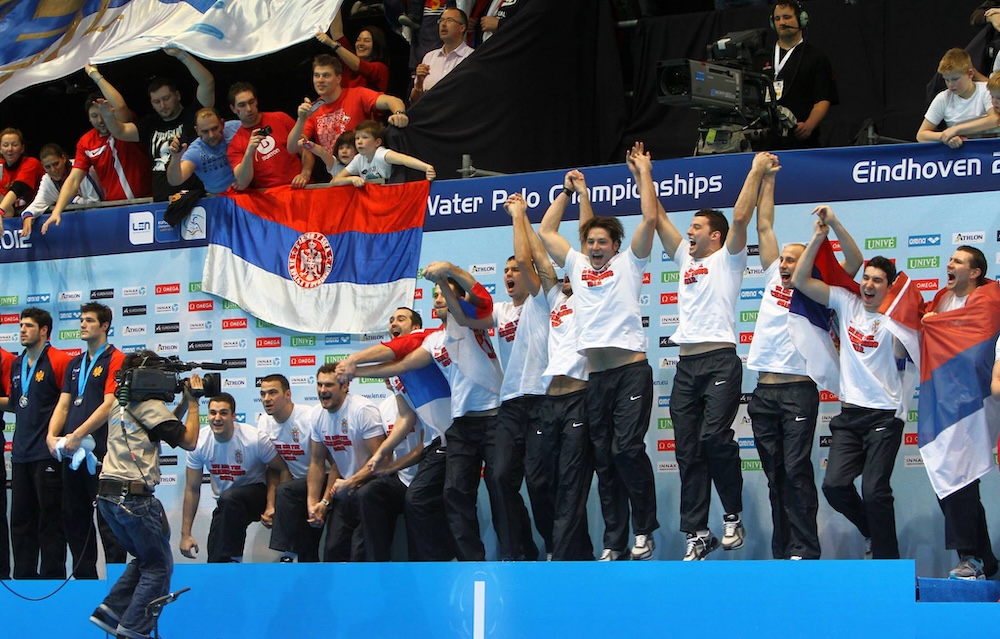
The gold medal streak began in Eindhoven in 2012. It was played in January. In the semi-final, they defeated Italy 12:8. The final was a rematch. To the Montenegrins for the defeat in Malaga. Serbia won 9:8 with a decisive goal from Udovicic.

The players were: Slobodan Soro, Aleksa Šaponjić, Živko Gočić, Vanja Udovićić, Miloš Ćuk, Duško Pijetlović, Slobodan Nikić, Milan Aleksić, Nikola Radđen, Filip Filipović, Andrija Prlainović, Stefan Mitrović and Branislav Mitrović. The coach was Dejan Udovićić.

The competition in Budapest 2014 will be remembered. In the semi-finals, Serbia was trailing Montenegro 9:7 after three quarters, only to turn the tables in the last eight minutes and win 10:9 with a goal from Nikić. In the final, they played one of the best matches in history against Hungary. The great rival was defeated 12:7.

The players were: Gojko Pijetlović, Živko Gočić, Dušan Mandić, Sava Randđelović, Miloš Ćuk, Duško Pijetlović. Slobodan Nikić, Milan Aleksić, Nikola Radjen, Filip Filipović, Andrija Prlainović, Stefan Mitrović and Branislav Mitrović. Dejan Savić made his debut as a coach.

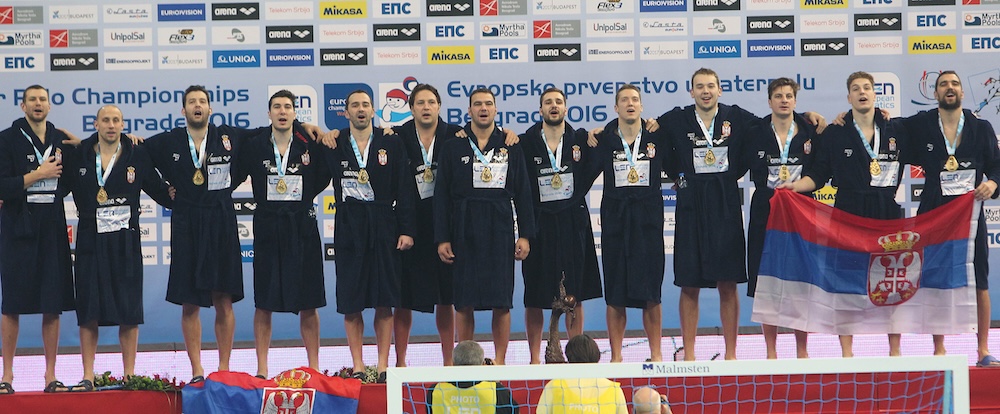
Great games and a series of gold medals continued in the Belgrade Arena in 2016. In an unforgettable final, in front of nearly 19,000 spectators, Serbia defeated an excellent team from Montenegro 10:8. After three quarters, it was 6:6, and in the last quarter, our team decided the winner.

The players were: Gojko Pijetlović, Živko Gočić, Dušan Mandić, Sava Randđelović, Miloš Ćuk, Duško Pijetlović, Slobodan Nikić, Milan Aleksić, Nikola Radjen, Filip Filipović, Andrija Prlainović, Stefan Mitrović and Branislav Mitrović. The coach was Dejan Savić.

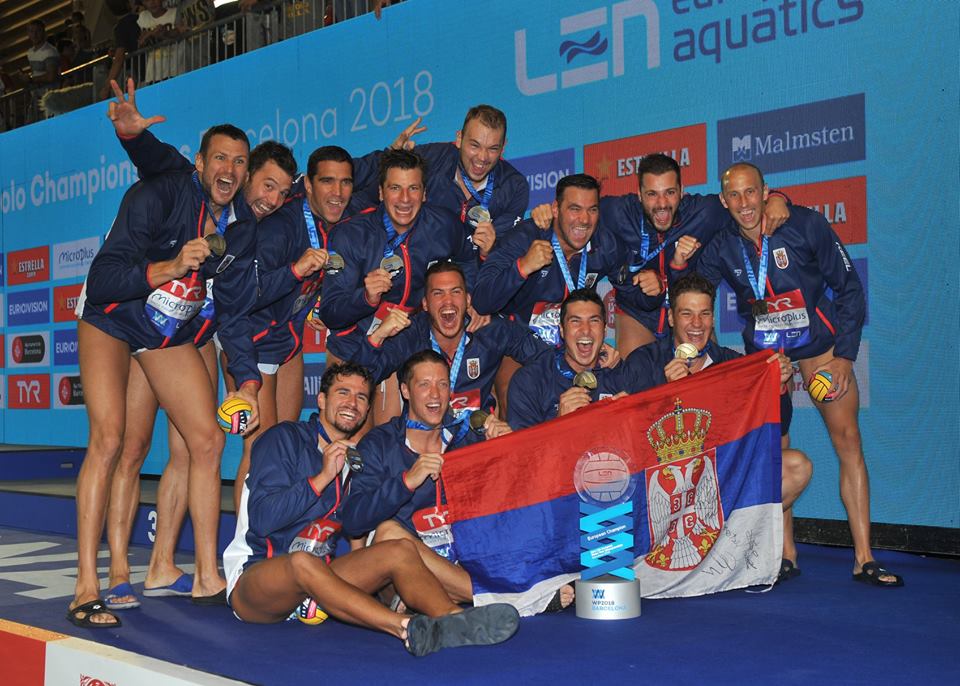
The series of gold medals ended in Barcelona 2018. In the semifinals, Serbia defeated world champions Croatia 9:7. The final with Spain was decided by a penalty shootout. In the regular period, the score was 7:7. In the penalty shootout, all Serbian players scored, the last one for the decisive goal and the victory 12:10 was Miloš Ćuk. Fernandez hit the crossbar before that.

The players were: Gojko Pijetlović, Viktor Rašović, Dušan Mandić, Sava Randđelović, Miloš Ćuk, Duško Pijetlović, Nemanja Vico, Milan Aleksić, Nikola Radđen, Filip Filipović, Andrija Prlainović, Stefan Mitrović and Branislav Mitrović. The coach was Dejan Savić.

The next three competitions did not bring Serbia any medals. In Budapest 2020, Spain defeated Serbia in the quarterfinals after performing a five-pointer. Serbia was fifth.

Two years later, Serbia was below par in Split, finishing only ninth. This was the result of a major generational shift and an unexpected defeat to France in the round of 16. It was also the last competition for coach Savić as Serbia’s coach.

Uroš Stevanović made his debut in Zagreb 2024. In the quarterfinals, Hungary was better 15:14 after five-pointers. In the end, our national team was seventh.

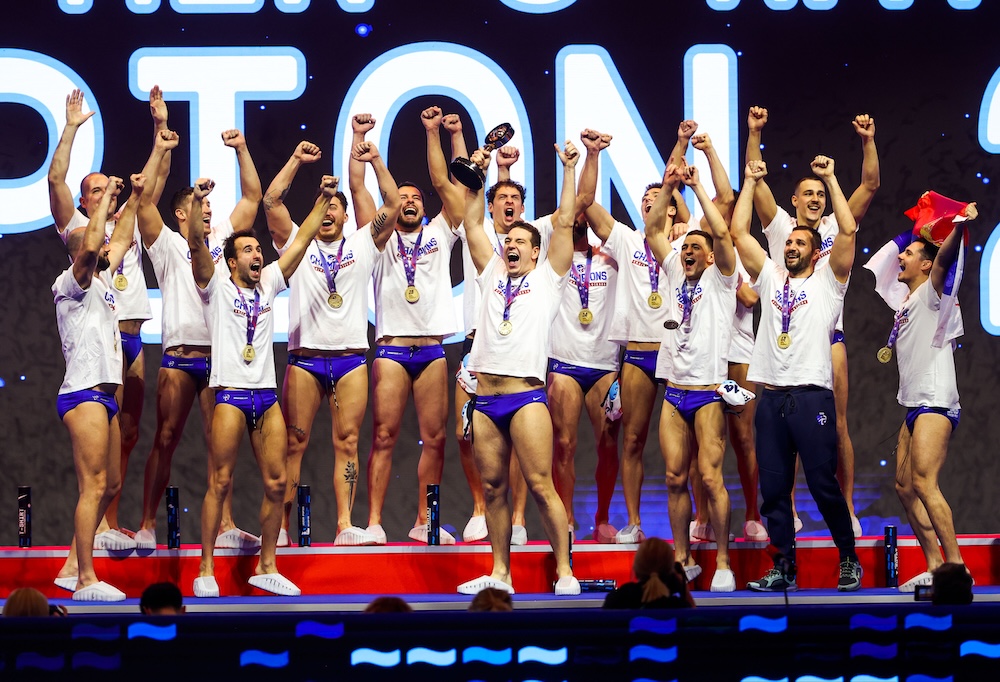
In January 2026, the European Water Polo Championship was held in Belgrade again after ten years, and Serbia became the European champion again after eight years. In the final, in front of almost 13,000 fans, they defeated Hungary with a score of 10:7. In the group stage, Serbia was better than the Netherlands, Spain and Israel, then France and Hungary, while in the last round match, which had no significant result, they were defeated by Montenegro. In the semi-finals, Italy was defeated, and two days later Hungary.

6🥇

1🥈

1🥉

University games

Serbian “students” have not participated in the games since 2019. Under the name Serbia, the university team won two gold medals and two bronze medals.

At their first participation in Bangkok in 2007, they won seventh place. Serbia was left without a medal in Mersin in 2015, when the national team finished in sixth place.

In Belgrade 2009, Serbia came third. In the bronze medal match, they defeated Greece 9:4.

The players were: Mitrović, Šaponjić, Popović, Ivošević, Bašić, Vapenski, Kalinić, Ćuk, Ranđić, Kovačević, Filipović, Petković, Marinković. The national coach was Dejan Stanojević.

Two years later, in the Chinese city of Shenzhen, Serbia was the best. In the final match, they were outplayed by Russia 11:8.

They played: Mitrović, Šaponjić, Matović, Vuksanović, Miličić, Vapenski, Rašović, Dedović, Ubović, Petković, Filipović, Šaponjić, Živojinović. The national coach was Dejan Stanojević.

In Kazan 2013, the national student team won bronze. In the match that decided the medal, Serbia was better than Italy 12:10. Before that, in the semifinals, Russia was better 12:11.

The players were: Živojinović, Popović, Rašović, Marković, Miličić, Rackov, Milićević, Dedović, Asanović, Vapenski, Stojčić, Vuksanović, Draksimović. The national coach was Uroš Stevanović.

At their last participation in Taipei in 2017, Serbia dominated and won first place. In the final, they convincingly defeated Russia 15:4.

The players were: Risticević, S.Rašović, V.Rašović, Randjelović, Subotić, Vico, Drašović, Lazić, Jaksić, Rasović, Vasić, Stojanović, Dobožanov.

2🥇

0🥈

2🥉

Search

Search